1. Production
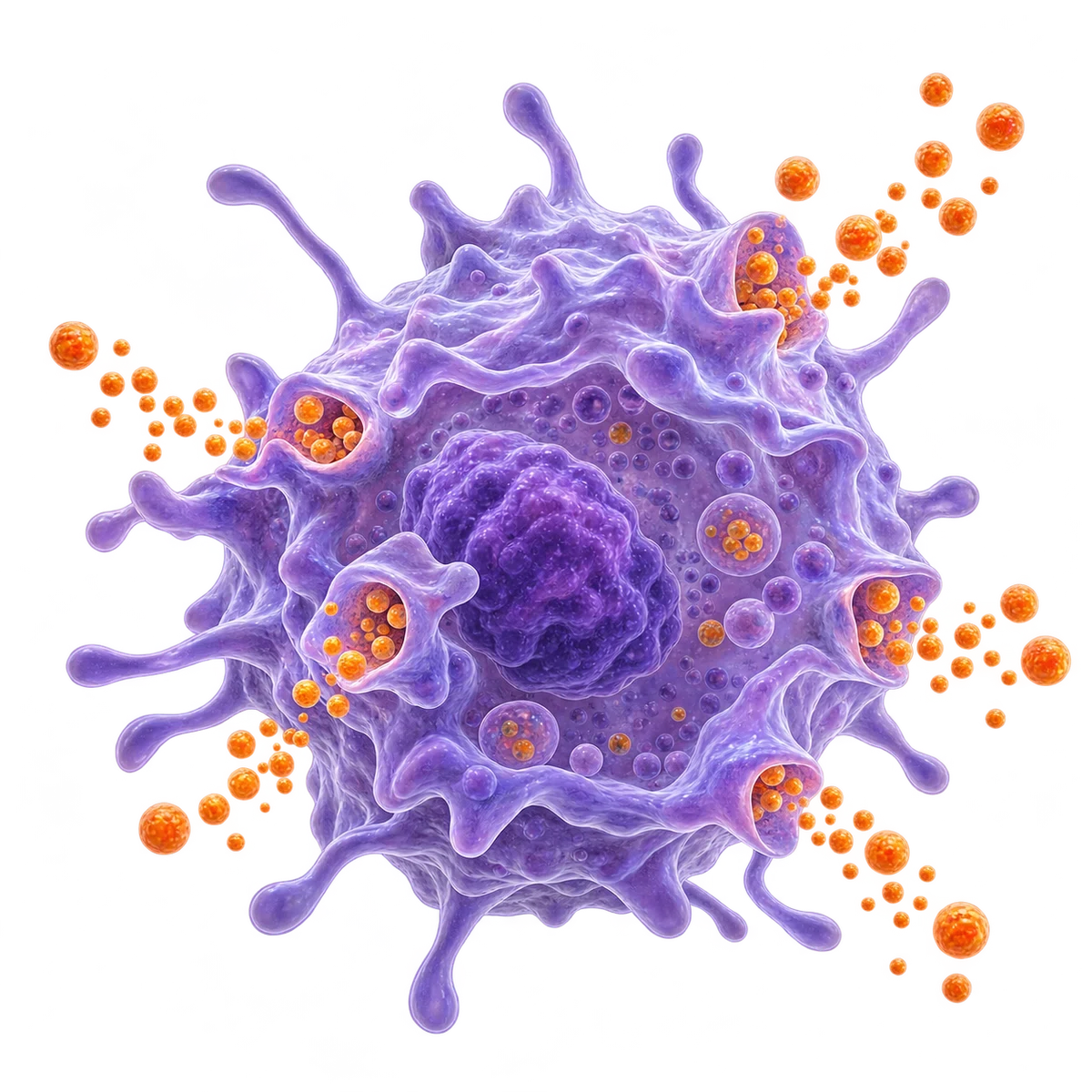
Immune and tissue cells produce signaling proteins in response to infection, stress or damage.
 Subscribe
Cytokines and chemokines are small signaling proteins that help cells communicate. Through specific receptors, they coordinate immune responses, recruit cells to infection or injury, and help maintain immune balance.
Back to The Immune System →Cytokines and chemokines are signaling proteins released by immune cells and other cells, including epithelial and stromal cells. They bind specific receptors on target cells, initiating pathways that influence cell behavior, gene expression and immune responses.
Although they have distinct roles, cytokines and chemokines often work together to coordinate the timing, location and magnitude of immune responses.
Immune and tissue cells produce signaling proteins in response to infection, stress or damage.
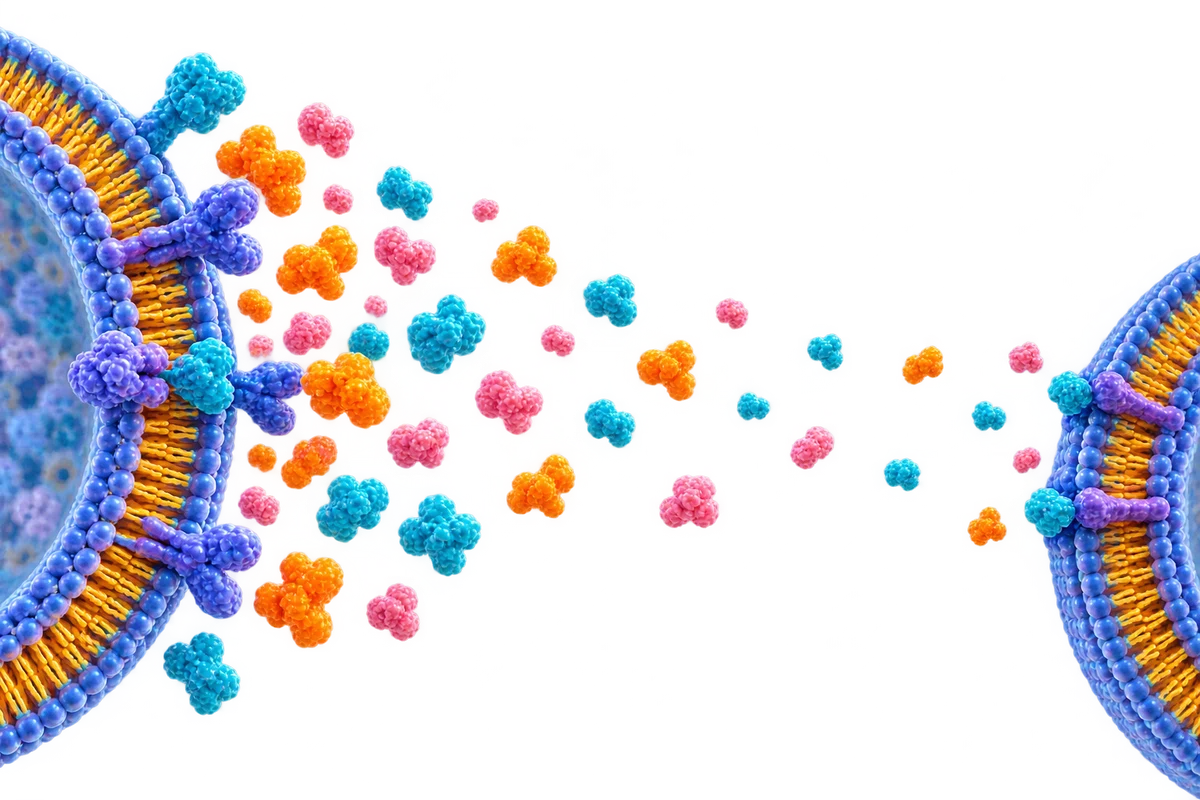
Signals can act on the same cell, nearby cells, or distant cells through the circulation.
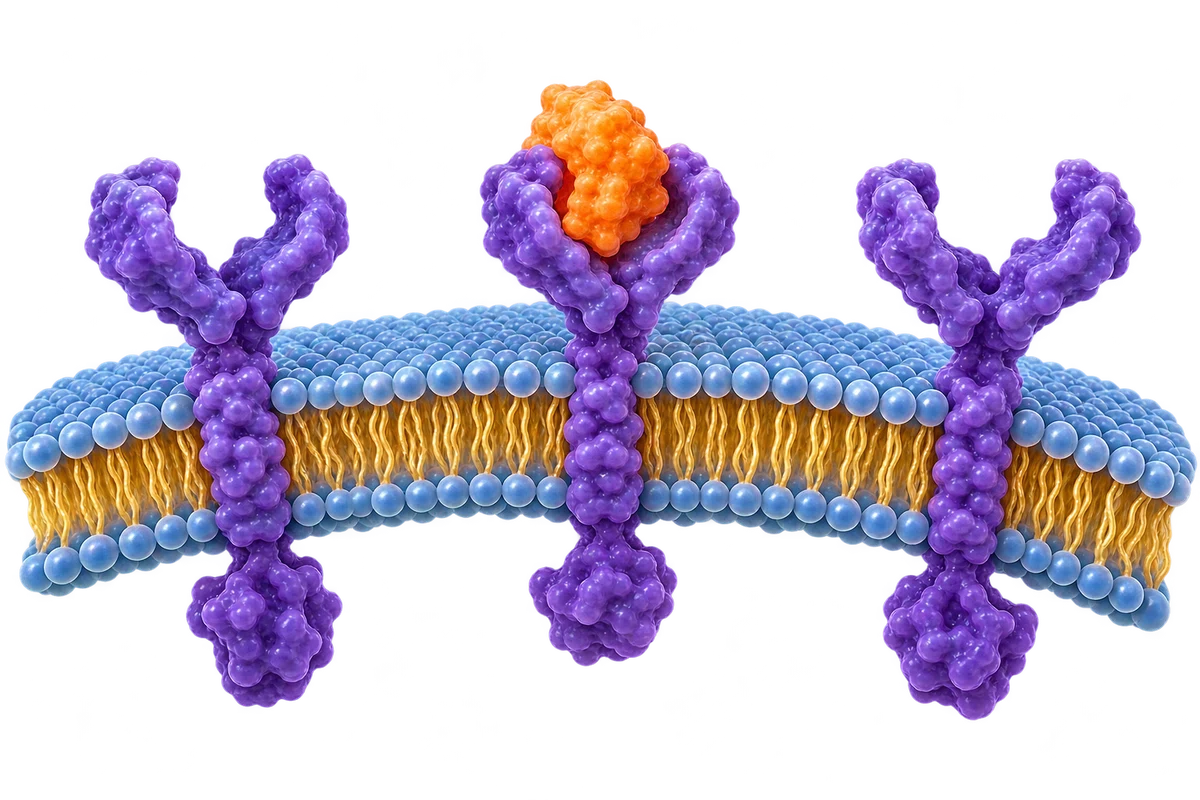
A signal binds a specific receptor, activating pathways such as JAK–STAT, NF-κB or MAPK.
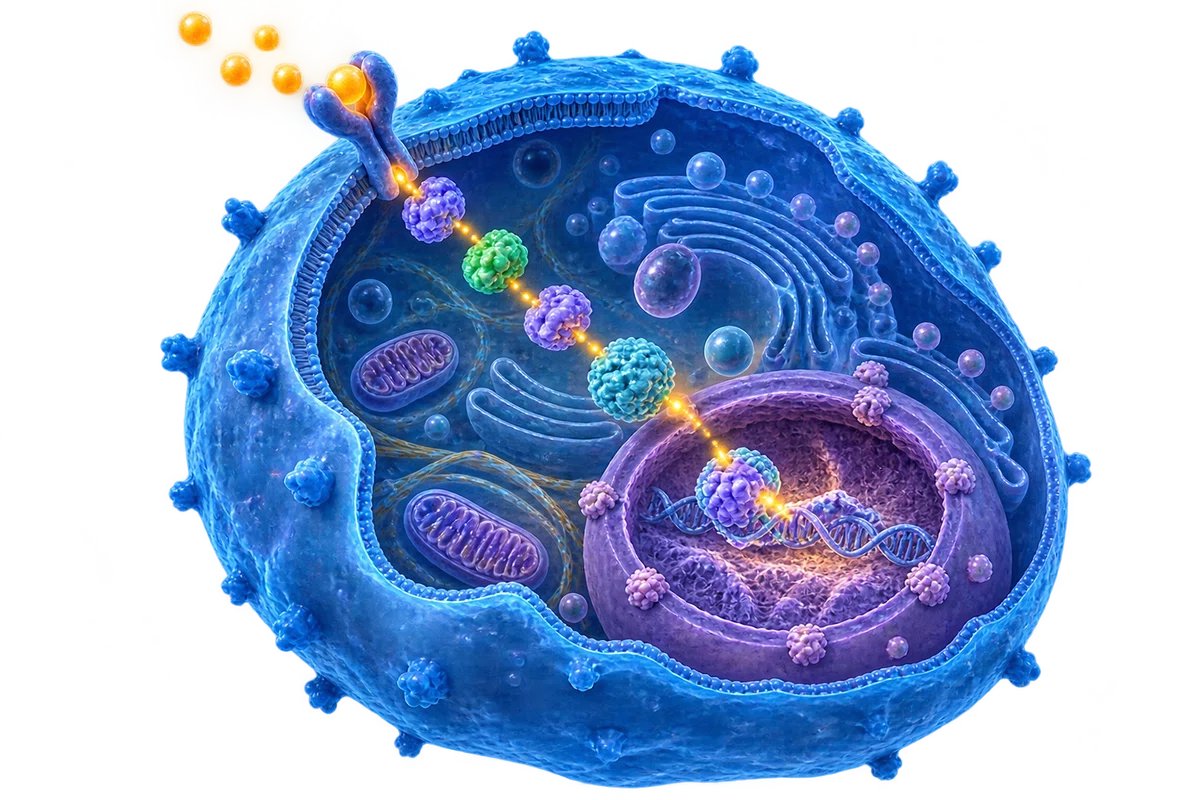
Target cells change gene expression, activation, migration, differentiation or survival.
A selection of important signals, their sources and their functions.
| Molecule | Type | Main cellular sources | Primary roles and functions |
|---|---|---|---|
| IL-1β | Cytokine | Monocytes, macrophages, dendritic cells | Promotes inflammation, fever and endothelial activation. |
| IL-2 | Cytokine | Activated T cells | Supports T-cell proliferation and regulatory T-cell maintenance. |
| IL-4 | Cytokine | Th2 cells, basophils and other type 2 cells | Supports type 2 differentiation and IgE class switching. |
| IL-5 | Cytokine | Th2 cells and type 2 innate lymphoid cells | Supports eosinophil development, survival and activation. |
| IL-6 | Cytokine | Myeloid, stromal and endothelial cells | Supports the acute-phase response and B-cell differentiation; effects depend on context. |
| IL-10 | Cytokine | Regulatory T cells, macrophages, B cells | Limits inflammatory responses and supports immune regulation. |
| IL-12 | Cytokine | Dendritic cells and macrophages | Promotes Th1 differentiation and IFN-γ production by T and NK cells. |
| IL-17A | Cytokine | Th17 cells, γδ T cells and other lymphocytes | Induces epithelial and stromal signals that support neutrophil recruitment. |
| TNF-α | Cytokine | Macrophages, T cells, NK cells | Promotes inflammation and endothelial activation; can influence cell survival and death. |
| IFN-γ | Cytokine | T cells and NK cells | Activates macrophages and enhances antigen presentation. |
| IFN-α / IFN-β | Cytokines | Plasmacytoid dendritic cells and many infected cells | Induce antiviral programs and modulate immune responses. |
| TGF-β | Cytokine | Immune cells, stromal cells and many other tissues | Regulates immune responses, tissue repair and differentiation in a context-dependent manner. |
| CXCL8 (IL-8) | Chemokine | Myeloid, epithelial and endothelial cells | Recruits and activates neutrophils. |
| CCL2 (MCP-1) | Chemokine | Myeloid, stromal and endothelial cells | Recruits monocytes to inflamed tissues. |
| CCL5 (RANTES) | Chemokine | T cells, macrophages and platelets | Recruits selected lymphocytes and other leukocytes, depending on receptor expression. |
| CXCL12 (SDF-1) | Chemokine | Stromal and endothelial cells | Supports cell positioning, migration and retention, including in bone marrow. |
| CXCL10 (IP-10) | Chemokine | Myeloid, endothelial and stromal cells | Recruits CXCR3-expressing cells, including activated T cells. |
| CCL11 (eotaxin-1) | Chemokine | Epithelial, endothelial and stromal cells | Recruits eosinophils through CCR3. |
| CCL19 / CCL21 | Chemokines | Lymphoid stromal cells; lymphatic endothelial cells for CCL21 | Guide CCR7-expressing T cells and dendritic cells into and within lymphoid tissues. |
| CXCL13 | Chemokine | Follicular stromal cells and selected immune cells | Guides CXCR5-expressing B cells and follicular helper T cells toward B-cell follicles. |
| CCL20 | Chemokine | Epithelial, stromal and activated immune cells | Recruits CCR6-expressing cells, including selected dendritic cells and Th17 cells. |
Sources and functions are examples, not exhaustive lists. Effects vary with dose, timing, receptor expression and tissue context.
Coordinate protective immune-cell responses to pathogens.
Help initiate, amplify and limit inflammatory responses.
Coordinate responses after injury.
Contribute to tolerance and prevent unnecessary immune activity.
Appropriate signaling supports microbial control.
Persistent or dysregulated signals can contribute to tissue damage.
Signals can promote or inhibit tumor growth depending on context.
Altered signaling networks can contribute to loss of tolerance.
A cytokine does not have one fixed effect. Its action depends on the target cell and its surroundings.
Cells need the appropriate receptors to respond directly.
Brief local signaling can differ from prolonged or systemic exposure.
Other cytokines can amplify, modify or oppose a response.
Cell state and the tissue environment shape the outcome.
A released signal acts back on the cell that produced it.
Local signals coordinate responses in neighboring cells and tissues.
Some cytokines enter the circulation and influence distant tissues, as in the acute-phase response.
The route depends on the signal and biological context.
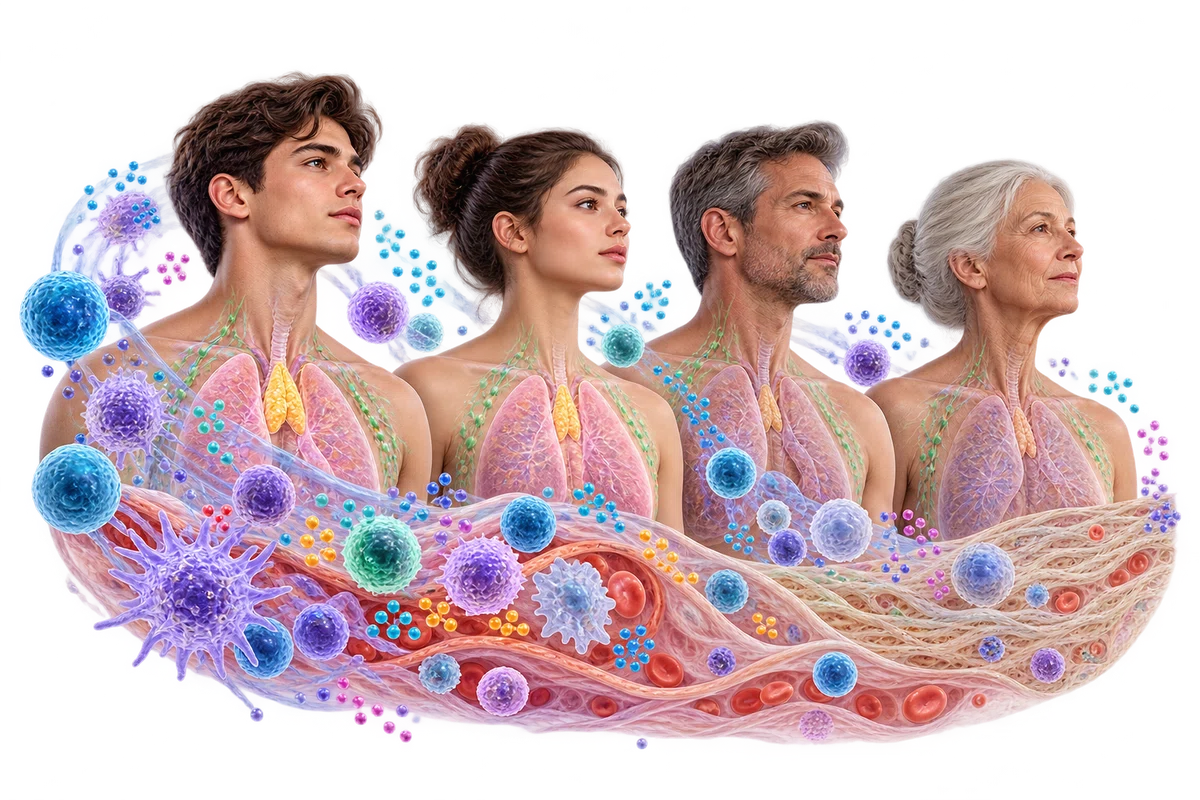
With age, signaling networks can change. These changes vary between individuals and tissues.
Regular physical activity, balanced nutrition, sufficient sleep and appropriate preventive care support overall health. They do not replace assessment or treatment of inflammatory disease.
Learn more about aging & immunity →Artwork illustrates the main mechanisms schematically; molecular sizes, colors and distances are not literal.